Avocado oil has skyrocketed in popularity, praised for its health benefits and culinary versatility. However, with its rise in demand comes an unsettling trend: the proliferation of fake avocado oil brands. Many consumers unknowingly purchase products that are diluted or mixed with cheaper oils, undermining the quality and health benefits they seek.
Identifying genuine avocado oil can be tricky, especially when deceptive labeling and marketing tactics come into play. This article aims to shed light on the brands that don’t meet the standards, helping consumers make informed choices. By exposing these fake avocado oil brands, readers can protect their health and ensure they’re getting the real deal in their kitchens.
Understanding Fake Avocado Oil
Fake avocado oil poses risks to consumers who seek the health benefits associated with authentic products. Identifying and understanding genuine avocado oil is essential to avoiding inferior brands.
What Is Avocado Oil?
Avocado oil is derived from the pulp of ripe avocados and contains high levels of monounsaturated fats, making it a heart-healthy option. It serves as a versatile ingredient in cooking and is favored for its high smoke point. Authentic avocado oil is typically cold-pressed, retaining nutrients and flavor. Knowing the characteristics of genuine avocado oil ensures consumers can distinguish it from fake alternatives.
Why Is Authenticity Important?
Authenticity matters in avocado oil due to health and culinary implications. Fake oils often contain lower-quality fats or additives that reduce nutritional value. Labels that misrepresent or dilute the product can lead to misleading beliefs about health benefits. Consuming diluted or inferior oils can also cause adverse health effects. Protecting consumer health and ensuring optimal culinary experiences hinges on recognizing and choosing authentic avocado oil.
Recognizing Fake Avocado Oil
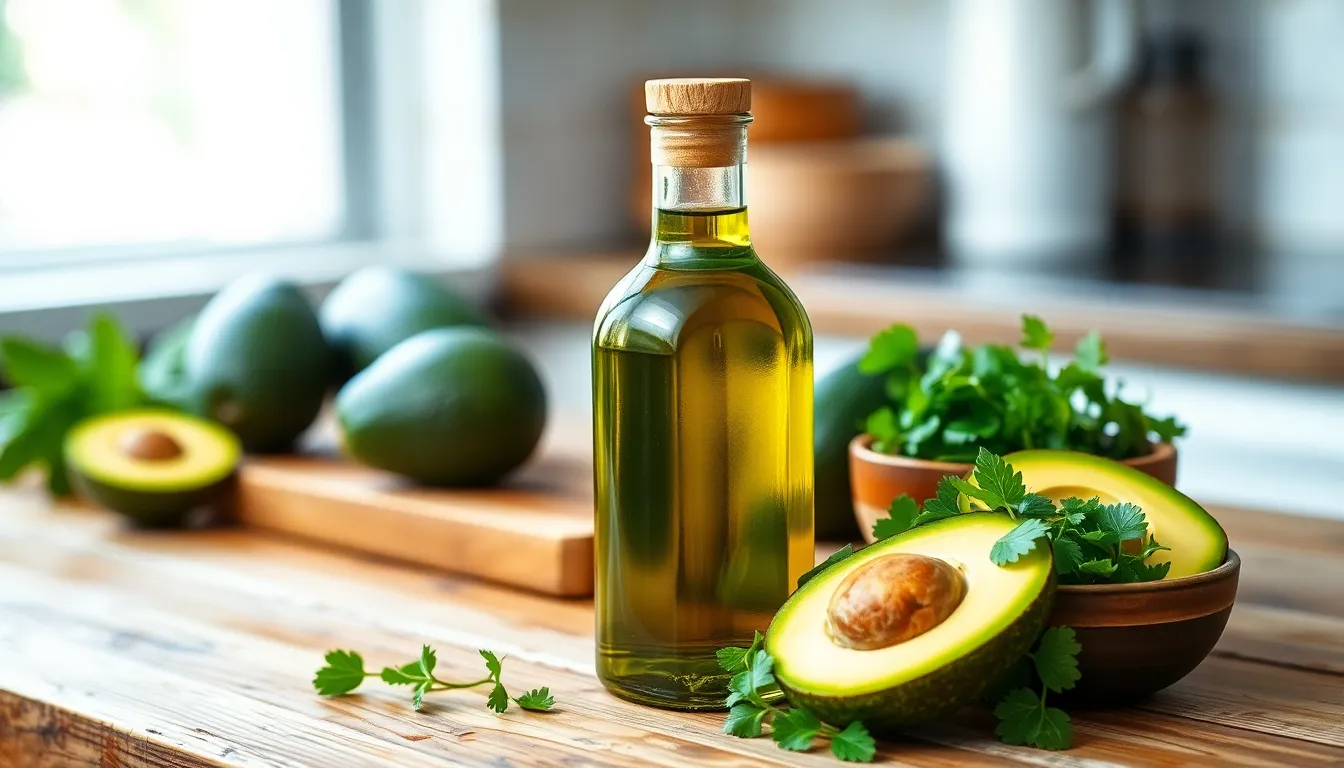
Identifying fake avocado oil requires awareness of specific signs and understanding the potential health impacts of consuming counterfeit products. Recognizing these factors helps consumers make informed choices.
Common Signs of Fake Products
- Label Transparency: Check for vague or incomplete ingredient lists. Genuine avocado oil often includes only pure avocado oil. Products labeling themselves as “blended” may contain inferior oils.
- Color and Aroma: Authentic avocado oil typically exhibits a rich green color and has a distinct, fresh aroma. Pale or odorless oils may indicate dilution or poor quality.
- Price Point: Be cautious of unusually low-priced avocado oils. Genuine high-quality avocado oil involves more production costs. Prices significantly below market standards can signal counterfeit products.
- Packaging Claims: Look for certifications and quality indicators, like “extra virgin” or “cold-pressed.” These terms indicate higher quality and purity. Brands without such claims may not meet these standards.
Impact on Health and Cooking
Consuming fake avocado oil can have several adverse health effects. Inferior oils may contain unhealthy fats or additives that negate the benefits typically associated with real avocado oil, such as heart-healthy monounsaturated fats.
- Nutritional Degradation: Counterfeit products often lack essential nutrients. They may not provide antioxidants and vitamins found in authentic avocado oil, diminishing potential health benefits.
- Allergenic Reactions: Blended oils could contain allergens not present in pure avocado oil. This poses a risk for individuals with sensitivities or allergies using contaminated products.
- Compromised Culinary Quality: Substituting fake avocado oil in recipes can alter flavors and textures. Authentic avocado oil enhances dishes with its unique nutty taste and high smoke point, essential for various cooking methods.
Understanding these aspects reinforces the importance of selecting genuine avocado oil for health and culinary excellence.
List of Fake Avocado Oil Brands
Consumers must remain vigilant against counterfeit avocado oil brands that compromise health and culinary quality. Below are notable examples of brands identified as producing fake avocado oil.
Brand A
Brand A often markets its products as “pure avocado oil,” but testing reveals significant dilution with cheaper oils, reducing the nutritional benefits. Labels frequently lack transparency about sourcing and ingredient purity, leading to consumer deception regarding authenticity.
Brand B
Brand B claims to offer “extra virgin” avocado oil, yet independent analyses show it typically consists of a mixture of refined oils. This misrepresentation can mislead consumers seeking high-quality products and can result in insufficient health benefits.
Brand C
Brand C presents itself as a premium avocado oil option, but many batches contain additives that compromise its integrity. The oil’s clarity and aroma often deviate from genuine avocado oil characteristics, signaling potential Fraud.
By being aware of these brands, consumers can make informed decisions and avoid compromised avocado oil products.
How to Choose Authentic Avocado Oil
Choosing authentic avocado oil requires careful attention to details to ensure quality and health benefits. Implementing the following strategies can help consumers make informed decisions.
Tips for Identifying Genuine Brands
- Research Brand Reputation: Investigate the brand’s history, customer reviews, and reputation in the industry.
- Verify Sourcing: Genuine brands often provide information about the origin of their avocados, aiming for transparency.
- Check for Awards: Look for products that have received recognition or certifications from reputable organizations in the food industry.
- Look for Recommendations: Trust recommendations from culinary experts or nutritionists regarding brands known for authenticity.
- Evaluate Consistency: Purchase from brands that consistently deliver high-quality products over time.
Reading Labels and Certifications
- Ingredient List: Authentic avocado oil should list “avocado oil” as the sole ingredient with no fillers or additives.
- Cold-Pressed Claim: Verify labels for “cold-pressed,” which indicates minimal processing and preservation of nutrients.
- Extra Virgin Designation: Seek oils labeled as “extra virgin,” indicating higher quality and more natural extraction methods.
- Organic Certification: Look for organic certification, ensuring avocados are grown without harmful pesticides or chemicals.
- Non-GMO Labeling: Check for the non-GMO label, which indicates that the oil does not come from genetically modified crops.
By utilizing these tips and closely examining labels, consumers can significantly reduce the risk of purchasing fake avocado oil.
Choosing authentic avocado oil is vital for both health and culinary enjoyment. Consumers must remain vigilant against counterfeit brands that dilute quality and compromise nutritional benefits. By understanding key indicators of genuine avocado oil and recognizing the brands to avoid, individuals can make informed purchasing decisions.
Prioritizing transparency in labeling and seeking reputable sources will help ensure the oil’s integrity. With the right knowledge and careful scrutiny, it’s possible to enjoy the full advantages of avocado oil while steering clear of inferior products. Protecting health and enhancing culinary experiences starts with selecting the best quality oils available.