Imagine waking up to the sound of waves crashing instead of an alarm clock blaring. Picture sipping coffee in a bustling market in Thailand or hiking in the mountains of Patagonia—all while working remotely. The nomadic lifestyle isn’t just a dream; it’s a thrilling reality for those ready to embrace adventure.
Understanding Nomadic Living
Nomadic living combines travel and work into an adventurous lifestyle. Embracing this way of life offers opportunities to explore new places while maintaining a career.
Definition of a Nomad
A nomad is someone who travels frequently, often moving from one location to another. They embrace minimalism, prioritizing experiences over material possessions. Digital nomads utilize technology to work remotely, merging work responsibilities with exploration. This lifestyle appeals to those seeking freedom, flexibility, and diverse cultural experiences. Many choose to live without a permanent home, instead opting for short-term rentals or shared accommodations. The nomadic lifestyle allows individuals to adapt to various environments and communities.
Types of Nomadic Lifestyles
Several types of nomadic lifestyles exist, each catering to different preferences and goals. Digital nomads prefer working online while traveling to different destinations. Adventure nomads pursue outdoor activities like hiking, surfing, or climbing in various locations. Culture seekers travel to immerse themselves in new customs and traditions, engaging with local communities. Some nomads operate in seasonal patterns, traveling to enjoy specific climate conditions or events. Other individuals focus on slow travel, spending extended periods in fewer places to deepen their experiences. Each type offers unique opportunities for living and exploring.
Preparing for a Nomadic Life
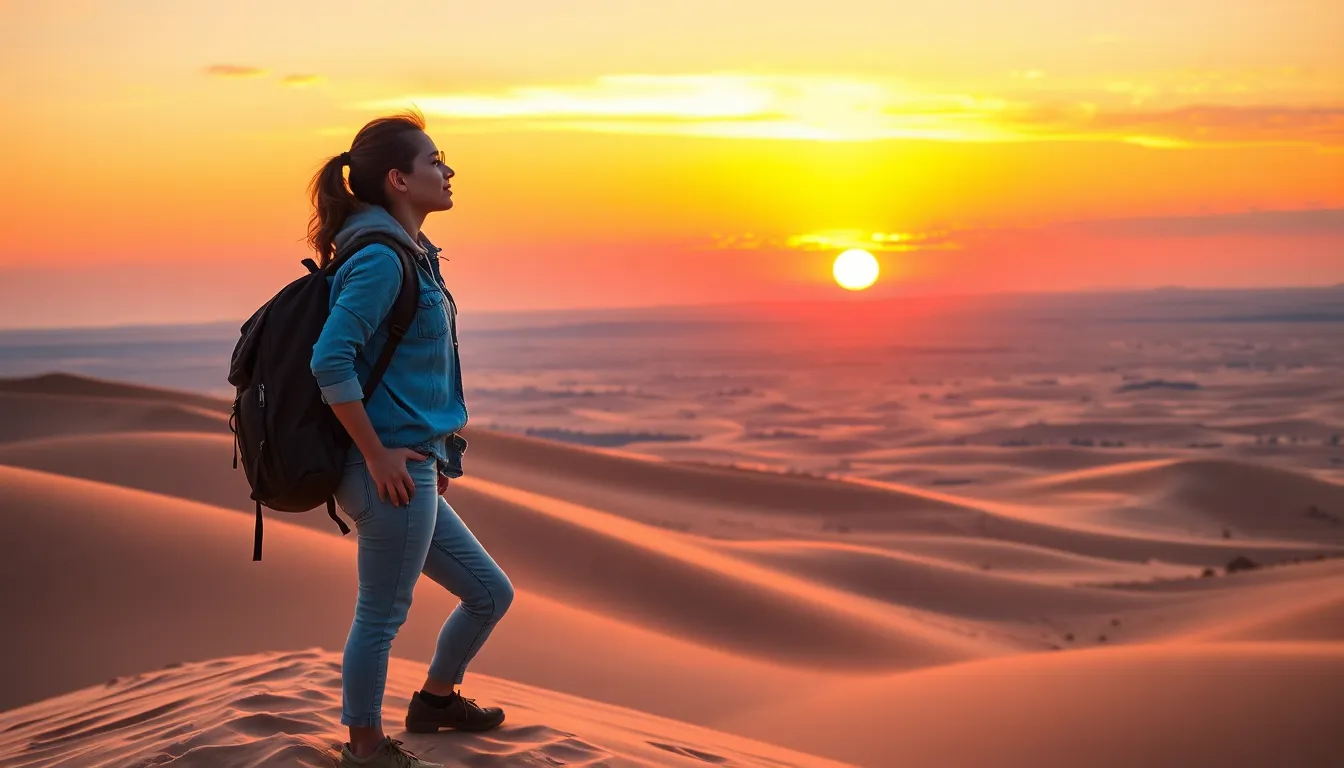
Transitioning to a nomadic lifestyle requires careful preparation and planning. Setting clear goals helps to shape the journey ahead.
Setting Goals and Intentions
Establish objectives to guide travel choices and work commitments. Determine what experiences matter most, such as cultural immersion or adventure. Nomads often focus on balancing work and exploration. Prioritizing tasks ensures essential responsibilities are met while enjoying the journey. Creating a timeline specifies locations and activities, providing a clearer path. Visualizing long-term aspirations motivates continued progress, making challenges easier to navigate.
Financial Planning for Nomads
Developing a financial plan is crucial for sustaining a nomadic lifestyle. Create a budget that includes expenses like accommodations, food, and transportation. Identifying income sources supports stability during travels. Many nomads save money by utilizing coworking spaces or staying in hostels. Establish an emergency fund to cover unforeseen expenses, which offers peace of mind. Track spending to adjust the budget as necessary, keeping finances in check. Diversifying income streams, such as freelancing or online businesses, enhances financial security while roaming the globe.
Choosing Your Nomadic Destinations
Choosing the right destinations is crucial for a successful nomadic lifestyle. It impacts both work and personal experiences.
Factors to Consider
Location plays a vital role in a nomadic journey. Consider factors such as cost of living, internet connectivity, and overall safety. Weather also affects comfort and productivity; research climate patterns before selecting destinations. Community engagement matters too; finding like-minded individuals enhances the experience. Accessibility to coworking spaces boosts efficiency; these spaces often provide networking opportunities. Lastly, cultural attractions and recreational activities enrich the journey; exposure to diverse experiences fosters personal growth.
Popular Destinations for Nomads
Southeast Asia attracts many digital nomads due to affordable living and vibrant communities. Bali, Indonesia, stands out with its stunning landscapes and abundant coworking spaces. Mexico offers a rich cultural scene, particularly in Tulum, known for its beaches and artistic vibe. Portugal, especially Lisbon, appeals with its mild climate and burgeoning tech scene. Thailand, particularly Chiang Mai, remains a favorite destination combining affordability and rich culture. Eastern Europe, including cities like Budapest and Prague, offers a blend of history, beauty, and reasonable costs. Each destination provides unique experiences catering to diverse nomadic preferences.
Staying Productive on the Road
Staying productive while traveling requires effective strategies and the right tools. Nomads often adapt to new environments, ensuring work gets done alongside exploration.
Time Management Techniques
Prioritizing tasks helps maintain focus. Utilizing the Pomodoro technique, for example, involves working for 25 minutes, then taking a 5-minute break. Setting clear daily goals creates a roadmap for success. Blocking out specific hours for work ensures that exploration doesn’t interfere with productivity. Using a calendar app to schedule tasks enhances visibility and accountability. Implementing these time management techniques keeps a balanced lifestyle while embracing the nomadic experience.
Tools and Resources for Nomadic Work
Leveraging technology simplifies the nomadic lifestyle. Many digital nomads use tools like Trello or Asana for task management, ensuring all projects remain organized. Communication platforms, such as Slack, facilitate seamless collaboration with teams, even from afar. Dropbox and Google Drive offer cloud storage options for easy access to important documents. Additionally, reliable internet connections often dictate the choice of accommodation, especially in popular nomadic destinations. Employing these tools enhances productivity, making work on the road efficient and manageable.
Building a Community as a Nomad
Establishing a sense of community enhances the nomadic lifestyle. Relationships foster support, collaboration, and shared experiences among like-minded individuals.
Networking with Other Nomads
Joining local meetups or co-working spaces proves beneficial for meeting fellow nomads. These environments create opportunities for collaboration and friendship. Discussions often revolve around shared experiences and travel tips. Attendance at nomadic conferences facilitates deeper connections. Engaging in online groups or forums allows ongoing discussions and planning for future meetups. Exchanging personal insights builds a positive network. Supporting one another in professional endeavors enriches the overall experience. Learning from the journeys of others offers inspiration and guidance for navigating the nomadic lifestyle effectively.
Utilizing Online Platforms
Several online platforms cater to nomadic communities. Social media groups on Facebook or platforms like Meetup connect individuals sharing similar lifestyles. Couchsurfing and Workaway present options for accommodation and work exchanges, creating bonds with locals and fellow travelers. Digital platforms like Nomad List provide insights into popular locations and community-driven recommendations. Forums such as Reddit’s Nomad subreddit allow sharing experiences and finding solutions to challenges. Engaging in these online spaces cultivates a supportive network while traveling. Building virtual friendships often leads to real-world meetups and collaborations that enhance the nomadic journey.
Embracing a nomadic lifestyle opens doors to adventure and personal growth. It allows individuals to blend work with exploration while discovering new cultures and environments. By prioritizing financial planning and effective time management, anyone can thrive on the road.
Building a supportive community enhances the experience, providing connections and collaboration opportunities. With the right mindset and preparation, the dream of living as a nomad becomes a reality. Whether seeking vibrant markets or breathtaking landscapes, the journey is as rewarding as the destination.