Imagine a world where vibrant colors swirl in the air, laughter echoes through the valleys, and cultures collide in a spectacular dance of traditions. Welcome to the realm of cultural festivals, where nomads become the life of the party, bringing their unique flavors and stories to the table. These lively gatherings aren’t just about music and food; they’re a celebration of humanity’s rich tapestry woven through the ages.
Overview of Cultural Festivals Among Nomads
Cultural festivals among nomads showcase their unique traditions and lifestyles. They serve as expressions of identity, drawing communities together in celebration. Events often highlight music, dance, and storytelling, reflecting their rich heritage and oral histories.
Diverse traditions include vibrant art forms such as textile creation and beadwork. Participants create intricate designs that convey cultural significance and personal narratives. Festivals also provide opportunities for sharing culinary delights, with traditional dishes made from local ingredients.
Nomadic groups often adapt their festivals according to seasonal changes. For example, in the spring, they may celebrate new beginnings with rituals that honor nature. During these times, communities gather to mark important life events, such as births and marriages.
In many cases, festivals allow for cross-cultural exchange. Nomads often invite neighboring communities to join in the festivities, fostering connections and promoting understanding. This interaction enriches the overall experience, blending different musical styles and dance forms.
Sustainability plays a key role in these festivals as well. Many nomadic groups prioritize eco-friendly practices, ensuring that their celebrations have minimal impact on the environment. This commitment to sustainability resonates with the values of their way of life, which emphasizes harmony with nature.
Through vibrant colors and engaging activities, cultural festivals among nomads present a dynamic glimpse into their way of life. They capture the essence of nomadic culture while reinforcing the importance of community bonding and tradition preservation.
Significance of Cultural Festivals
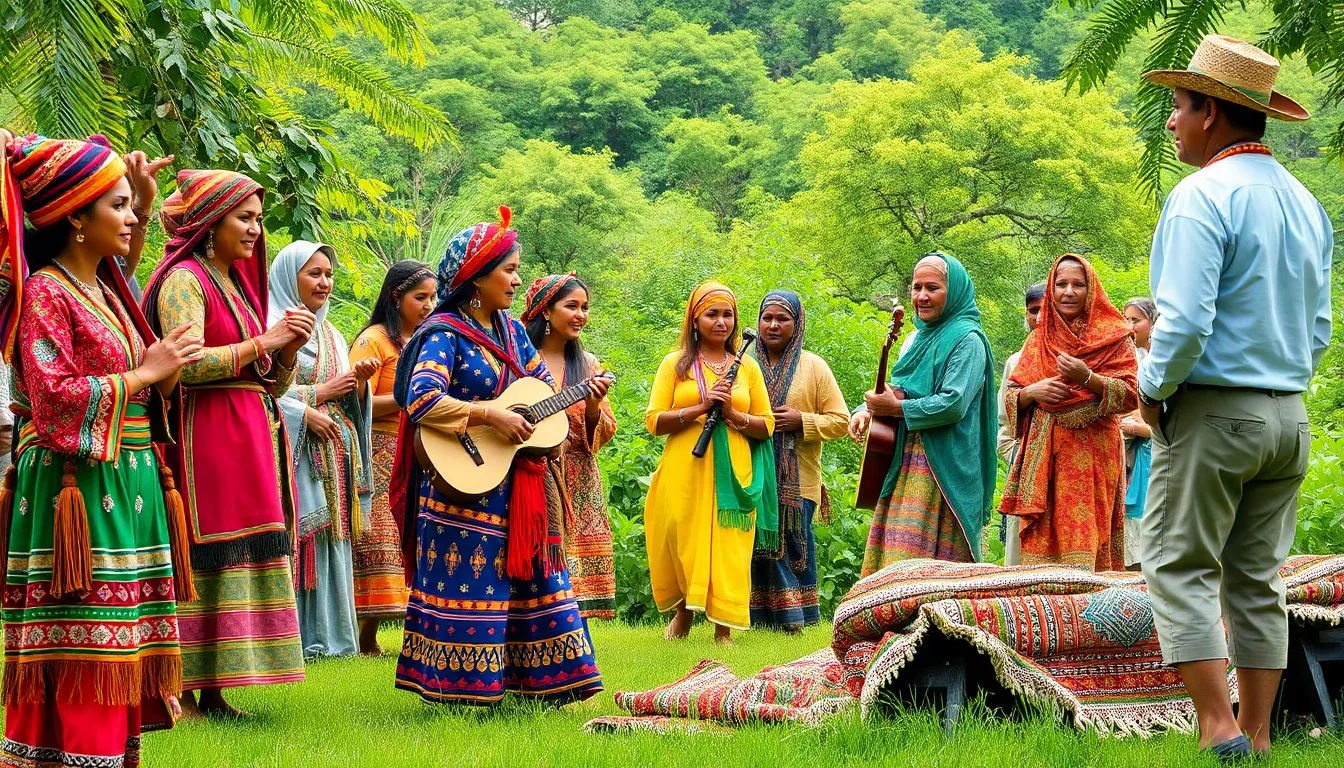
Cultural festivals hold immense significance for nomadic communities. They foster social unity and strengthen bonds among members, enhancing community ties.
Social Cohesion and Community Building
Events during festivals serve as a platform for interaction. They cultivate friendships and promote teamwork among attendees. Shared experiences, like music and dance, create lasting memories. Participants often collaborate on organizing activities, which encourages involvement and instills a sense of belonging. Through these festivals, people engage with one another, forming networks that extend beyond the celebrations. Such connections contribute to a resilient community structure, vital for survival in changing environments.
Preservation of Traditions and Heritage
Festivals act as a means for preserving rich cultural traditions. Nomadic groups use them to transmit stories, music, and dance forms to younger generations. Artisans showcase skills in textile creation and beadwork, allowing attendees to appreciate the aesthetic and symbolic value of their heritage. Celebratory rituals rooted in historical practices ensure that unique customs survive through time. By participating in these events, individuals affirm their cultural identity and articulate their beliefs, thereby reinforcing their connection to the past.
Types of Cultural Festivals Celebrated by Nomads
Nomadic cultural festivals encompass various types that reflect unique traditions and practices. Each festival serves as a vital expression of identity and community spirit.
Seasonal Festivals
Seasonal festivals mark key changes in the environment and natural cycles. Celebrated during spring, these festivals often include rituals honoring nature’s renewal. Summer festivals might focus on family gatherings and storytelling, allowing individuals to connect with their heritage. Autumn festivals often involve collective efforts to prepare for winter, reinforcing community bonds. These gatherings highlight the cyclical relationship between nomads and their surroundings, showcasing a deep respect for the earth.
Harvest Festivals
Harvest festivals celebrate the bounty of the land and the fruits of labor. Nomadic communities come together to share food and participate in communal feasts, emphasizing gratitude for nourishment gathered from local resources. Often, these festivals involve traditional music and dance, reflecting cultural expressions tied to the harvest. Various activities, such as cooking demonstrations and collaborative art, facilitate skills sharing among community members while strengthening social ties. Each celebration fosters pride in agricultural achievements, providing a moment to reflect on shared sustenance.
Ceremony of Rites of Passage
Ceremonies of rites of passage signify significant transitions in individuals’ lives. Each event emphasizes milestones, such as birth, adulthood, marriage, or passing. Such festivals serve to publicly acknowledge personal achievements and community support. Traditional practices often include blessings, communal witnesses, and shared meals, reinforcing the importance of family and kinship. Unique customs connect the past with the present, preserving cultural histories while carving spaces for individual identity within the community framework. These celebrations strengthen bonds and facilitate the continuity of cultural traditions across generations.
Notable Nomadic Cultures and Their Festivals
Nomadic cultures celebrate unique festivals that reflect their identities and traditions, showcasing their rich heritage through vibrant expressions.
The Tuareg of the Sahara
The Tuareg people hold the Festival in the Sahara, a colorful celebration of music, poetry, and dance. This event typically occurs during the cooler months. Artists from various backgrounds perform, creating an atmosphere of unity and creativity. Symbolic desert rituals honor their connection to the land and ancestors. Families share traditional foods like tagine and dates, uniting community members. The festival fosters cultural pride and strengthens social ties among Tuareg tribes.
The Mongolian Nomads
In Mongolia, the Naadam Festival celebrates the “Three Manly Sports”: wrestling, archery, and horse racing. Held every July, it marks the nation’s history and cultural pride. Competitions take place across the vast steppes, drawing crowds from various regions. Participants wear traditional attire, showcasing unique craftsmanship. Many nomads gather for feasting and storytelling, enriching the experience. This celebration emphasizes unity and resilience within Mongolian nomadic life.
The Sami of Northern Europe
The Sami people host the Riddu Riddu Festival, which highlights indigenous culture through music, art, and traditional practices. Held annually in Norway, the festival invites Sami artists to present their work. Visitors experience workshops on traditional skills like reindeer herding and crafting. Emphasis on sustainability ensures minimal environmental impact. Cultural exchange occurs as various communities join the festivities, promoting understanding and unity. The event serves as a vital reminder of Sami heritage and contemporary issues facing their communities.
Cultural festivals among nomads are vital expressions of identity and community. They create a vibrant atmosphere where traditions come alive through music, dance, and storytelling. These celebrations not only preserve rich cultural heritages but also foster social bonds and promote sustainability.
As nomadic groups adapt their festivals to reflect seasonal changes and significant life events, they invite neighboring communities to join in the festivities. This cross-cultural exchange enriches the experience for everyone involved. By participating in these events, individuals strengthen their connections to their roots while ensuring that their unique traditions endure for future generations. Ultimately, nomadic cultural festivals are a testament to the resilience and creativity of human spirit.