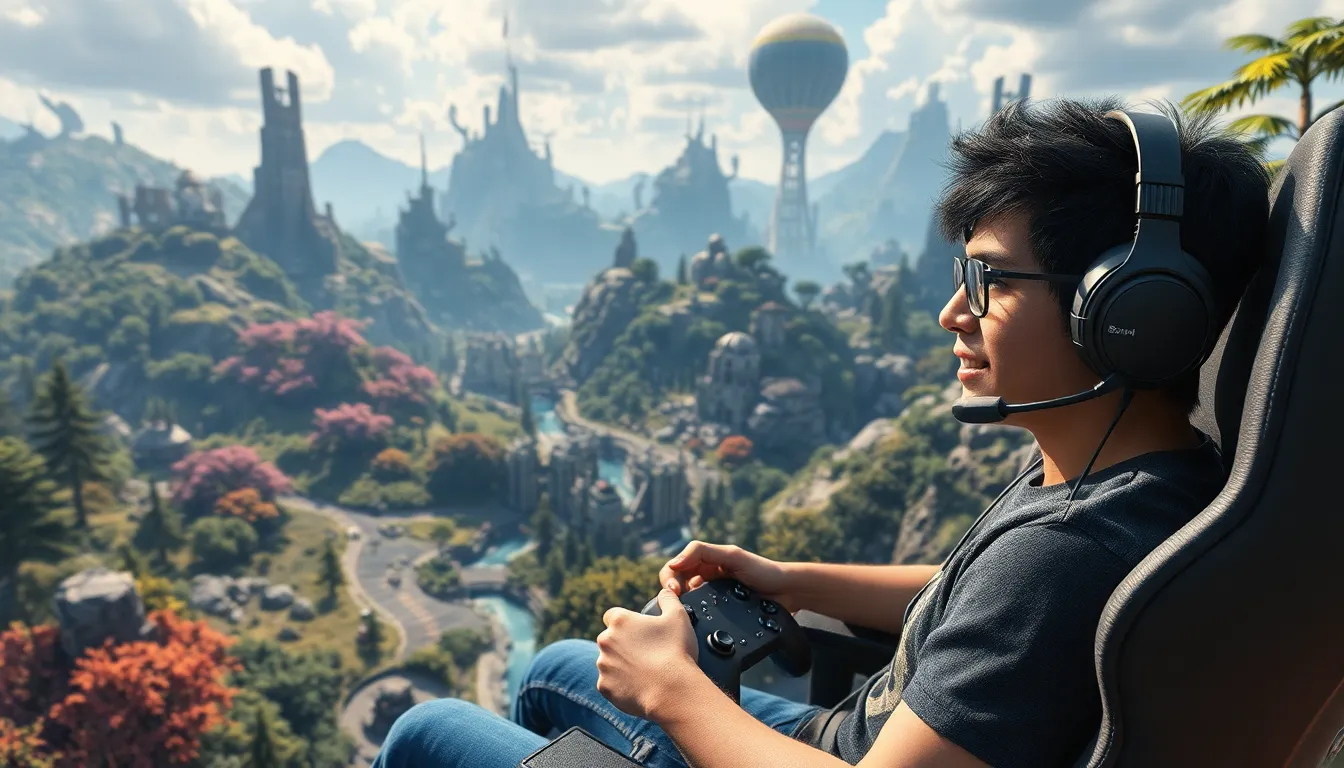
In a world where office cubicles feel like prisons, the term “digital nomad” has become a beacon of freedom and adventure. Imagine sipping a latte on a sun-kissed beach while your laptop hums away, generating income. Sounds dreamy, right? But what does it really mean to be a digital nomad?
This lifestyle isn’t just about working remotely; it’s about embracing a life without borders. It’s for those who’ve traded in their 9-to-5 grind for a passport full of stamps and a Wi-Fi connection that’s more reliable than their last relationship. Join the ranks of those who’ve discovered that the world is their office and every destination is a new opportunity. Let’s dive into what being a digital nomad truly involves and why it might just be the escape you didn’t know you needed.
What Does Digital Nomad Mean?
A digital nomad represents a modern lifestyle centered around remote work while traveling. Many individuals embrace this concept, as it allows them to transcend traditional office environments. Essentially, the term describes those who leverage technology to perform their jobs from diverse locations, enabling a blend of work and exploration.
Typically, digital nomads operate from coffee shops, co-working spaces, or even beach resorts. Each work location offers a unique backdrop, supplementing the daily grind with scenic views and cultural experiences. Freedom forms the essence of this lifestyle, appealing to those seeking flexibility over a fixed schedule.
Job roles vary significantly among digital nomads. Freelancers, entrepreneurs, and remote employees in diverse fields contribute to this community. Marketing specialists, software developers, and graphic designers frequently find harmony in this way of life, using their skills to work from anywhere on the globe.
Exploring the digital nomad lifestyle also highlights its challenges. Time zone differences and unpredictability can affect communication and deadlines. However, the sense of adventure often outweighs these difficulties, motivating many to pursue this path.
Networking serves as a vital aspect for digital nomads. Online communities and social media platforms foster relationships among those sharing similar experiences. Engaging with others allows digital nomads to exchange tips, recommend destinations, and provide support throughout their journeys.
Overall, being a digital nomad represents more than just remote work; it embodies an evolving mindset that values freedom, adaptability, and community. Each experience enriches the individual’s journey, transforming how work-life balance is perceived.
The Rise of Digital Nomadism
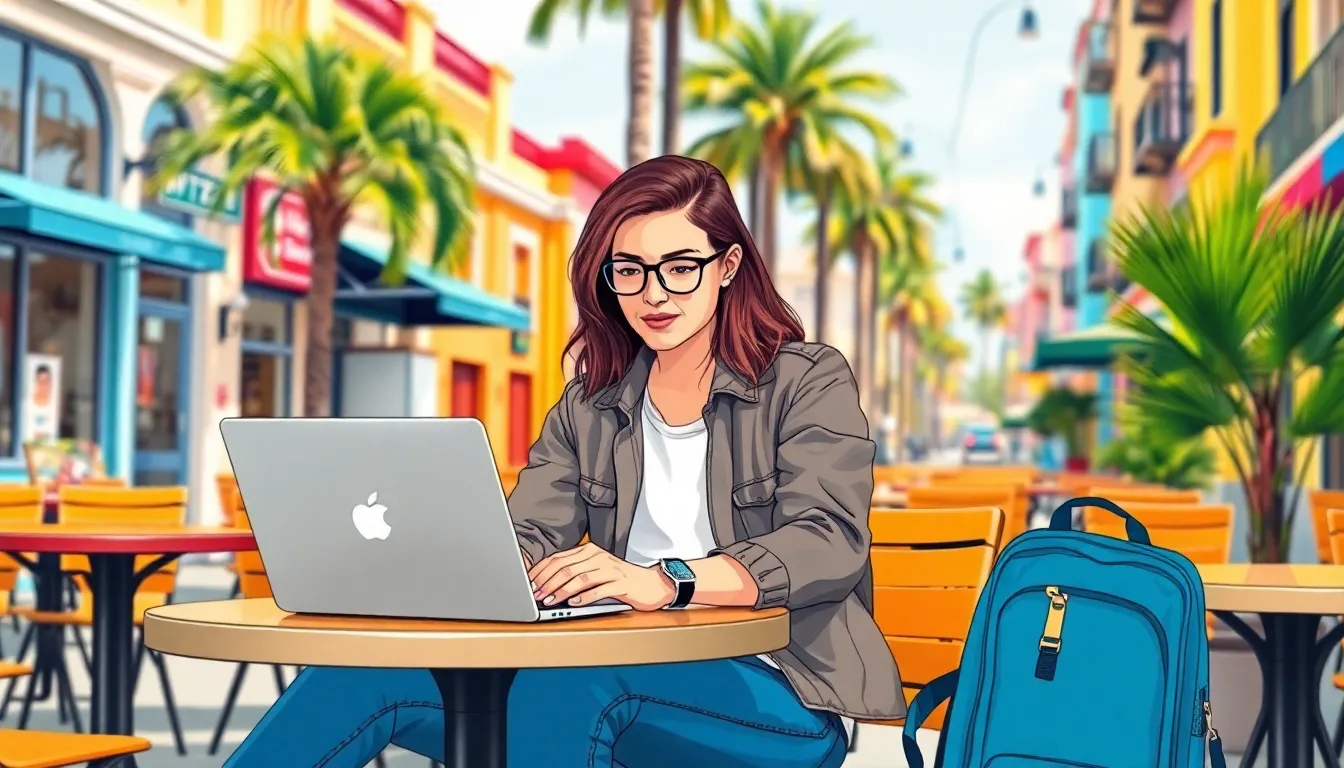
Digital nomadism has gained popularity as more people seek freedom in their work environments. This lifestyle fosters a unique blend of work and travel, appealing to many individuals.
Factors Contributing to the Trend
Growing remote job opportunities contribute significantly to the rise of digital nomadism. Employers increasingly embrace flexible work arrangements. Many people desire a better work-life balance, fulfilling personal and professional aspirations. The desire to explore new cultures and environments attracts individuals seeking adventure. High costs associated with traditional living arrangements also motivate a shift toward nomadic lifestyles.
Impact of Technology on Remote Work
Technology is a pivotal factor in enabling remote work. Tools like video conferencing and project management software streamline communication among teams. Cloud-based platforms allow easy access to files from any location. The rise of high-speed internet in various global locations further enhances remote work capabilities. Mobile devices empower digital nomads to work efficiently from any corner of the world. Overall, technology continuously shapes the digital nomad lifestyle, making it accessible and appealing.
Lifestyle of a Digital Nomad
Living as a digital nomad combines work, travel, and adventure, allowing individuals to explore the world while earning a living. This lifestyle hinges on flexibility and opportunity.
Typical Daily Routine
Each day varies based on location and personal preferences. Mornings often start with a quick coffee and some planning. Many digital nomads work in co-working spaces or coffee shops, finding inspiration in their surroundings. Lunch breaks might include exploring local cuisine or connecting with fellow nomads. Afternoons typically involve focused work sessions, utilizing productivity tools to stay on track. Evenings present opportunities for networking or relaxing after a day of work. Personal routines adapt to the rhythms of different cultures, keeping the experience vibrant and fulfilling.
Balancing Work and Travel
Maintaining a balance between work and travel presents a unique challenge. Digital nomads prioritize time management, ensuring work commitments are met while exploring new destinations. Setting clear work hours helps define personal time. Frequent pauses for sightseeing or engaging with local culture infuse life with excitement. Technology facilitates this balance; mobile hotspots and reliable video conferencing tools enable seamless transitions between tasks. Flexibility remains essential, allowing spontaneous adventures without sacrificing productivity. A mindful approach to scheduling enhances both work efficiency and travel experiences, embodying the essence of the digital nomad lifestyle.
Challenges Faced by Digital Nomads
Digital nomads encounter numerous challenges that may impact their lifestyle. Managing these difficulties often becomes crucial for maintaining a fulfilling nomadic experience.
Isolation and Loneliness
Isolation and loneliness rank among the top challenges for digital nomads. Remote work often leads to extended periods without face-to-face interaction. This lack of social engagement can contribute to feelings of loneliness, especially in unfamiliar locations. Many digital nomads report missing the camaraderie of a traditional office environment. Connecting with local communities or fellow nomads through co-working spaces or online platforms helps alleviate this isolation. Engaging in social activities and events can foster relationships, providing essential emotional support during travels.
Navigating Different Time Zones
Navigating different time zones poses a significant challenge for digital nomads. Coordinating work schedules with clients or teams across the globe can create confusion and complicate communication. Adjusting to time differences may disrupt sleep patterns and decrease productivity. Having effective strategies in place becomes essential for managing this aspect of remote work. Professionals often utilize scheduling tools to simplify meetings and stay organized. Prioritizing clear communication while being mindful of time constraints helps maintain relationships and ensures smooth project execution.
How to Become a Digital Nomad
Becoming a digital nomad requires careful planning and adaptability. Understanding which skills and professions lend themselves well to remote work is crucial to success in this lifestyle.
Skills and Professions Suitable for Remote Work
Many fields support remote work. Freelancing in writing, graphic design, and web development often appeals to aspiring nomads. Marketing professionals benefit from the digital landscape, enabling them to take advantage of various online platforms. Software development positions are also in high demand, providing flexibility and high earning potential. Additionally, virtual assistants offer administrative support from anywhere, allowing businesses to operate efficiently. Entrepreneurs find opportunities to launch online businesses, harnessing e-commerce to reach customers globally.
Essential Tools and Resources
Equipping oneself with the right tools enhances productivity. Cloud-based software like Google Drive and Dropbox facilitates file storage and sharing, ensuring access to important documents anytime. Video conferencing tools such as Zoom enable seamless communication, allowing collaboration with clients or team members across time zones. Project management applications like Trello or Asana help maintain organized workflows, ensuring deadlines are met. Reliable internet access is vital, so digital nomads should consider options like portable Wi-Fi devices or local SIM cards for connectivity. Emphasizing these tools can lead to a successful digital nomad journey.
The digital nomad lifestyle represents a unique blend of work and adventure that continues to attract individuals seeking freedom from traditional office environments. With the right skills and tools anyone can embrace this dynamic way of life. While challenges like isolation and time zone differences exist they can be managed with effective strategies and a supportive community. Ultimately the journey of a digital nomad is about more than just work; it’s about exploring the world while cultivating a fulfilling and balanced life. As more people discover this lifestyle the possibilities for personal and professional growth expand, making the digital nomad experience an inspiring choice for those ready to break free.