Cracked the back of your iPhone XR? Don’t worry, you’re not alone. It’s like a rite of passage in the smartphone world—one minute you’re scrolling through memes, and the next, you’re staring at a spider web of glass. But before you panic and consider a life without your trusty device, let’s dive into the costs of fixing that shattered beauty.
Overview of iPhone XR Back Damage
Back damage on the iPhone XR commonly occurs due to drops or impacts. Users often notice cracks or scratches on the glass back that can affect not just appearance but also functionality. Repairing the back glass is essential for aesthetic reasons and device integrity.
Costs for back repairs typically range from $100 to $300, depending on the repair service chosen. Authorized Apple service providers charge higher fees, often providing genuine parts and warranties. In contrast, third-party repair shops may offer lower prices while using aftermarket components, which can sometimes void warranties.
The repair process involves replacing the entire back glass panel, ensuring the device remains water-resistant. Technicians use specialized equipment to separate the broken glass from the frame. After replacing the back glass, they’ll test for functionality to ensure the device operates correctly.
Potential users should also consider whether insurance covers damage. AppleCare+ and other insurance plans often provide lower repair costs, making it valuable for many users. If one experiences frequent accidents or damages, investing in a protective case might reduce the chances of future repairs.
Overall, understanding the costs and options for back damage repair equips users to make informed decisions. Keeping the iPhone XR in good condition ensures longevity and optimal performance.
Cost Factors for Repairing iPhone XR Back
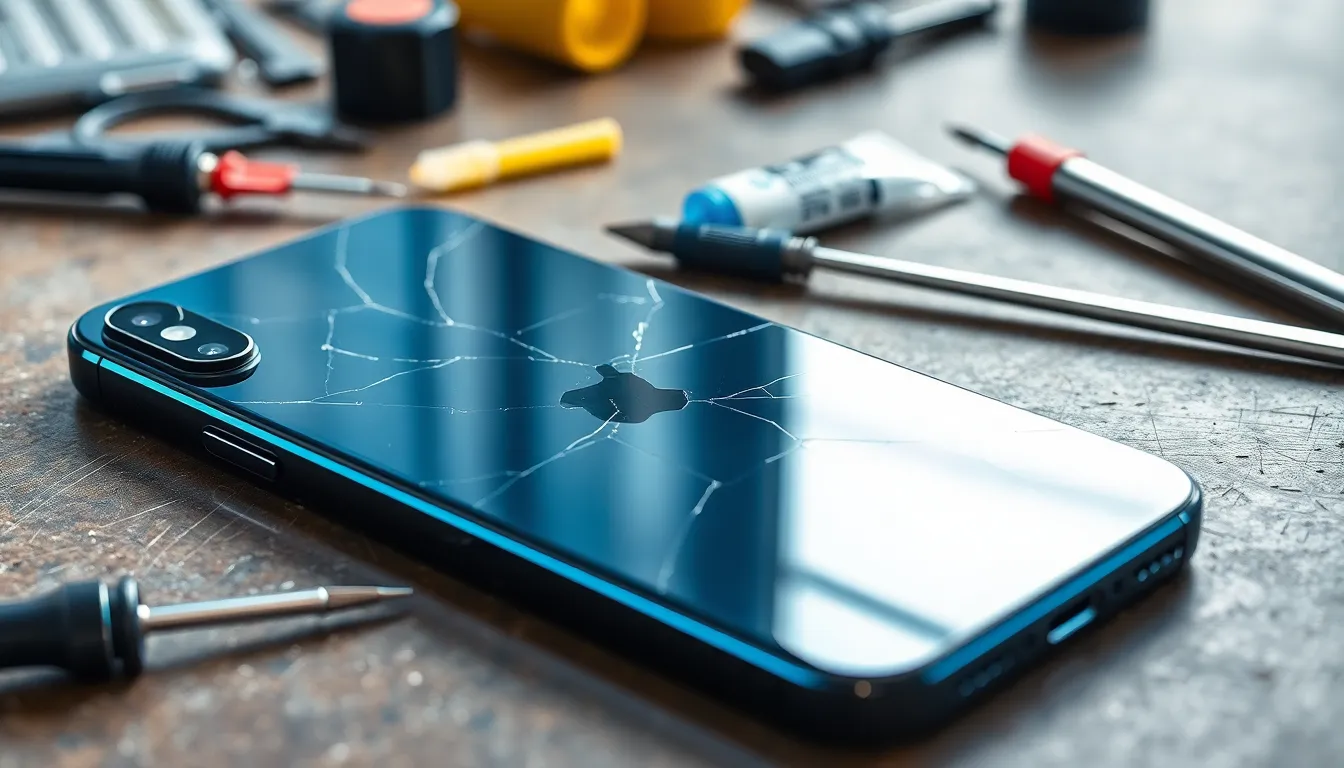
Repair costs for the iPhone XR back depend on various factors. Understanding these components helps users estimate potential expenses.
Type of Damage
The extent of the damage directly influences repair costs. A crack or scratch on the back glass may incur lower expenses compared to more severe damage, such as shattered glass or structural issues. Repairs can range from $100 to $300, depending on the severity. Minor surface scratches might require less intensive procedures, while extensive damage necessitates full back glass replacement, which typically increases costs significantly.
Repair Method
Repair methods vary by service provider, which affects the overall cost. Authorized Apple service centers often utilize genuine parts, ensuring quality but at a premium price. Third-party repair shops may offer cheaper alternatives but might use aftermarket parts that could affect device performance or void warranties. Techniques for back glass repair can differ as well, with some professionals opting for specialized equipment to enhance accuracy and efficiency during repairs.
Location of Service Provider
Location plays a crucial role in determining repair costs for the iPhone XR back. Urban areas typically have higher service prices due to elevated overhead costs, whereas rural locations may feature more affordable rates. Additionally, proximity to authorized service centers can influence choices, as consumers may prefer reliable resources even if fees are higher. Traveling longer distances for lower-cost services might negate savings, so consider both convenience and pricing when selecting a repair provider.
Average Repair Costs
Repairing the back of an iPhone XR entails varying costs based on several factors. Authorized repair centers, like Apple, generally charge between $200 and $300. This price reflects the use of genuine parts and adherence to strict service guidelines. Technicians ensure that the repair maintains the device’s water resistance and integrity. While it’s more costly, customers gain the assurance of quality repairs backed by warranties.
In contrast, third-party repair shops typically offer lower prices ranging from $100 to $200. These shops may use aftermarket components, which can reduce repair quality or void warranties. While the initial cost appears attractive, potential risks like compromised functionality could arise. Customers should weigh these factors against their budget and the value of workmanship. Choosing between certified and third-party options depends on individual preferences for cost versus quality.
DIY Repair Options
Repairing the back of an iPhone XR independently offers both cost savings and a sense of accomplishment. Various resources exist for those willing to tackle repairs at home.
Finding a reliable repair kit is essential. Quality kits often include necessary tools and replacement parts, typically costing between $30 and $80. Factors affecting the kit’s price include components quality and brand reputation.
Following online tutorials can guide the repair process effectively. Websites and video platforms provide step-by-step instructions tailored to the iPhone XR. Their detailed visuals and explanations can simplify complex procedures.
Preparation plays a crucial role in ensuring a successful repair. Preparing the workspace by gathering tools and ensuring a clean environment helps mitigate potential issues. Users should take precautions, including turning off the device and using suction cups to manage glass removal.
Completing the repair successfully requires patience and attention to detail. Mistakes during the process can lead to further damage, increasing costs or resulting in the need for professional help. If uncertainty arises, seeking expert assistance remains an option.
Ultimately, DIY repairs can cut costs in comparison to professional services, especially for minor damage. However, risks are involved. Assessing one’s confidence and technical skills before diving into a DIY project is important.
Repairing the back of an iPhone XR can vary significantly in cost depending on the extent of the damage and the type of repair service chosen. Users should consider their options carefully between authorized service providers and third-party shops. While authorized centers offer genuine parts and warranties at a higher price, third-party shops may provide more budget-friendly alternatives but with potential risks.
For those inclined to take a DIY approach, a reliable repair kit can lead to substantial savings. Ultimately, understanding these factors will help users make informed decisions, ensuring their device remains functional and aesthetically pleasing.